Info
Imagine a creature with the softest fur you’ve ever touched, eyes full of curiosity, and a playful spirit that can brighten any room. Meet the chinchilla—a small mammal that has captured the hearts of animal lovers around the globe. In this in-depth guide, we’ll journey through the fascinating world of chinchillas, exploring their rich history, unique characteristics, and what it takes to provide them with a loving home. From the peaks of the Andes to the cozy corners of your living room, chinchillas offer a blend of wonder and companionship that’s truly unparalleled.
9-15 inches (23-28cm) Length
Bluish-gray
Americas
| State | Ownership Status | Notes |
|---|---|---|
| Alabama | Permitted | — |
| Alaska | Permitted | — |
| Arizona | Permitted | — |
| Arkansas | Permitted | — |
| California | Permitted | Verify local city regulations; some areas may have specific restrictions. |
| Colorado | Permitted | — |
| Connecticut | Permitted | — |
| Delaware | Permitted | — |
| Florida | Permitted | Some counties may have specific regulations; check local laws. |
| Georgia | Permitted | — |
| Hawaii | Restricted | Requires permits for certain exotic animals; contact Hawaii Department of Agriculture. |
| Idaho | Permitted | — |
| Illinois | Permitted | — |
| Indiana | Permitted | — |
| Iowa | Permitted | — |
| Kansas | Permitted | — |
| Kentucky | Permitted | — |
| Louisiana | Permitted | — |
| Maine | Permitted | — |
| Maryland | Permitted | — |
| Massachusetts | Permitted | — |
| Michigan | Permitted | — |
| Minnesota | Permitted | — |
| Mississippi | Permitted | — |
| Missouri | Permitted | — |
| Montana | Permitted | — |
| Nebraska | Permitted | — |
| Nevada | Permitted | — |
| New Hampshire | Permitted | — |
| New Jersey | Permitted | — |
| New Mexico | Permitted | — |
| New York | Permitted | New York City may have stricter regulations; verify with local authorities. |
| North Carolina | Permitted | — |
| North Dakota | Permitted | — |
| Ohio | Permitted | — |
| Oklahoma | Permitted | — |
| Oregon | Permitted | — |
| Pennsylvania | Permitted | — |
| Rhode Island | Permitted | — |
| South Carolina | Permitted | — |
| South Dakota | Permitted | — |
| Tennessee | Permitted | — |
| Texas | Permitted | — |
| Utah | Permitted | — |
| Vermont | Permitted | — |
| Virginia | Permitted | — |
| Washington | Permitted | Some cities may have specific regulations; verify locally. |
| West Virginia | Permitted | — |
| Wisconsin | Permitted | — |
| Wyoming | Permitted | — |
Always verify with your state’s Department of Agriculture or local animal control agency before acquiring a chinchilla.
Resources:
State Agriculture Departments,
American Chinchilla Association
The history of chinchillas is as rich and textured as their luxurious fur. Indigenous to the Andes Mountains, these resilient rodents have thrived at elevations between 9,800 and 16,400 feet (3,000 to 5,000 meters). Their name derives from the Chincha people, a native group who once wore the animal’s dense fur. Over centuries, chinchillas have faced threats from extensive hunting due to the high demand for their pelts, leading to significant population declines. Today, they are considered a vulnerable species, and conservation efforts are in place to protect their wild populations.
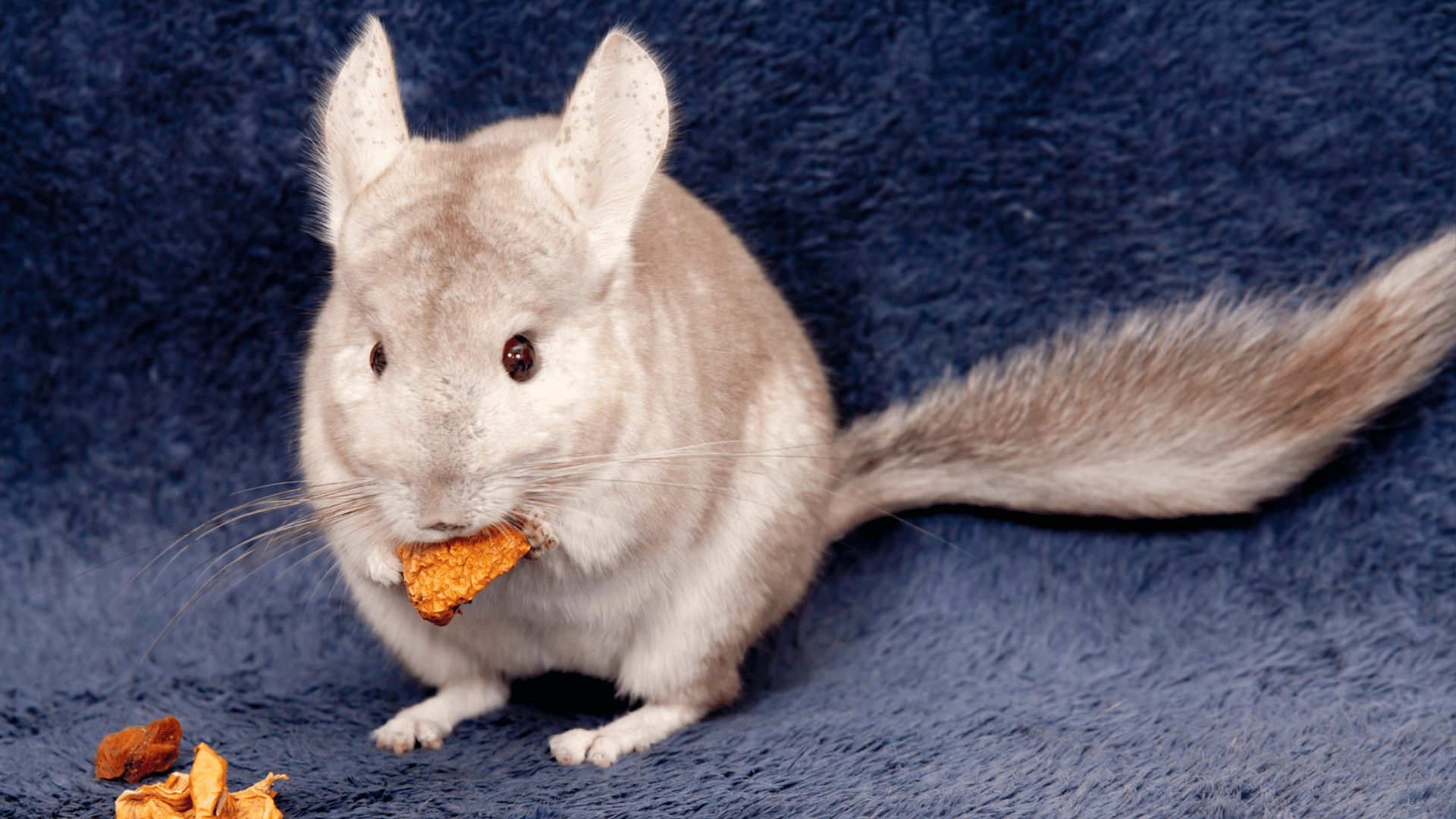
Chinchillas are petite yet sturdy creatures, typically measuring between 9 to 15 inches (23 to 38 centimeters) in body length, not including their bushy tails, which add an extra 3 to 6 inches (8 to 15 centimeters). Adult chinchillas weigh between 1 to 1.8 pounds (450 to 800 grams). Despite their small stature, they are incredibly agile. Their compact bodies are complemented by large ears and eyes, adaptations that enhance their hearing and night vision—crucial for evading predators in the wild. Their powerful hind legs enable them to leap impressive distances, sometimes up to six feet (1.8 meters) vertically.
Characteristics
In their natural habitat, chinchillas dwell in crevices and burrows within rocky terrains. The arid climate of the Andes means they are accustomed to sparse vegetation and limited water sources. They are social animals, often living in colonies that can number in the hundreds. These colonies provide safety in numbers, making it easier to spot predators such as birds of prey, snakes, and foxes.
Breeding chinchillas is a fascinating process, marked by their unique reproductive traits. They are seasonally polyestrous, with breeding seasons typically spanning from November to May in the Southern Hemisphere. After a notably long gestation period of about 111 days—the longest among rodents—females give birth to precocial young. These kits are born fully furred, with open eyes and a full set of teeth, ready to explore their surroundings within hours. Litter sizes usually range from one to six kits, though twins are most common.
Caring for a chinchilla requires attention to detail and a commitment to meeting their specific needs. Their enclosure should be spacious, vertical, and enriched with platforms, tunnels, and safe chew toys to satisfy their natural instincts to jump and gnaw. Temperature regulation is critical, as chinchillas are prone to overheating; they thrive in environments between 60-70°F (16-21°C). Providing a dust bath two to three times a week is essential for maintaining their fur's health, using special chinchilla dust to mimic the volcanic ash they would use in the wild. Their diet should primarily consist of high-quality grass hay, like timothy hay, and fortified chinchilla pellets, ensuring they receive adequate fiber for digestion.
With proper care, chinchillas can be long-lived companions, often reaching 10 to 15 years of age in captivity. Some have even been documented to live over 20 years, a testament to the importance of attentive husbandry and veterinary care.
Building a bond with a chinchilla takes patience and gentle interaction. They are naturally cautious, a trait rooted in their status as prey animals. It's best to allow them to approach you on their terms, offering treats and speaking softly to build trust. Once comfortable, chinchillas can be affectionate and enjoy gentle petting. However, they generally dislike being held tightly and may become stressed if restrained. Their playful and inquisitive nature shines during supervised out-of-cage time, where they can explore and engage with their environment.
Chinchillas are petite yet sturdy creatures, typically measuring between 9 to 15 inches (23 to 38 centimeters) in body length, not including their bushy tails, which add an extra 3 to 6 inches (8 to 15 centimeters). Adult chinchillas weigh between 1 to 1.8 pounds (450 to 800 grams). Despite their small stature, they are incredibly agile. Their compact bodies are complemented by large ears and eyes, adaptations that enhance their hearing and night vision—crucial for evading predators in the wild. Their powerful hind legs enable them to leap impressive distances, sometimes up to six feet (1.8 meters) vertically.
Fun Facts
By immersing ourselves in the captivating world of chinchillas, we gain a deeper appreciation for these remarkable animals. Their survival story, from the brink of extinction to cherished companion animals, underscores the impact humans have on wildlife. Whether you’re considering a chinchilla as a pet or simply intrigued by their story, understanding their needs and natural behaviors enriches our connection to these enchanting creatures. Their gentle presence and spirited antics not only bring joy but also remind us of the incredible diversity and resilience of life on Earth.

Finding a Friendly, Local Veterinarian has never been easier. LocalVeterinarians.com makes it simple to find Local Veterinarians, Veterinary Clinics, Doctors, Emergency Vets, Animal Hospitals and Pet Care Health Services. Search by location and see detailed information about each Local Veterinarian, including their services, website link, and contact information.
Click to Ask Anything!